What's a Tennis Bracelet and How to Style it?

I still remember the first time I saw a diamond tennis bracelet up close. It was late afternoon, the sun coming through the store window just right, hitting every tiny stone so they flashed like a row of little headlights. I wasn’t even shopping for myself. I was “just looking.” You know how that goes.
Jewelry has that effect. It pulls you in.
And while this guide is about caring for your precious gemstone ring, we need to talk about something closely related. Because if you love rings, chances are you’ve also admired a gold tennis bracelet or maybe even a white gold tennis bracelet sitting quietly in the display case, pretending not to be perfect.
Let’s start from the beginning.
What is a tennis bracelet?
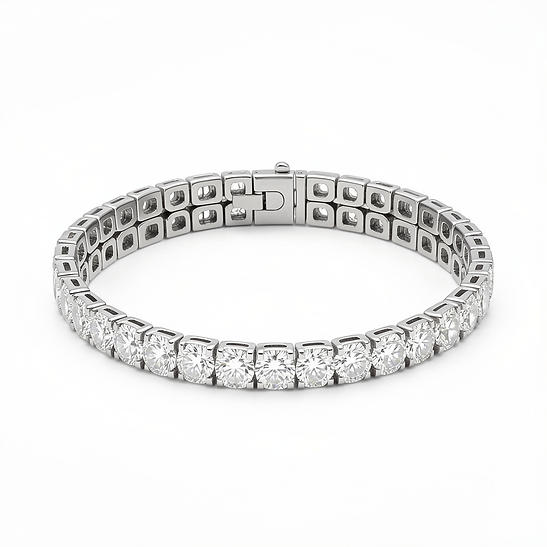
A tennis bracelet is a slim, flexible bracelet set with a continuous line of gemstones, most commonly diamonds. Each stone is usually the same size, linked together in a clean, symmetrical row. Simple. Balanced. Classic.
The most popular version is the diamond tennis bracelet, where identical diamonds are set in gold or platinum. But you’ll also see sapphires, rubies, and emeralds. Even mixed stones if someone is feeling bold.
A gold tennis bracelet refers to the metal used. It can be a yellow gold tennis bracelet, a white gold tennis bracelet, or even rose gold. The structure stays the same. The vibe changes.
When you hold one in your hand, it feels cool at first. A little weighty. Then it warms to your skin. The movement is smooth, almost liquid, because of the way each link is connected. It’s minimal, but not boring. Understated, but never invisible.
And yes, if you care about gemstone rings, you should care about this too. The same cleaning habits, storage rules, and maintenance routines often apply to both.
Why is it called a tennis bracelet?
This part is kind of charming.
The name became popular after professional tennis player Chris Evert famously lost her diamond bracelet during a match at the 1987 US Open. She stopped the game to look for it. The match paused. Cameras zoomed in. The bracelet became a headline.
After that moment, jewelers started calling that style a “tennis bracelet.” And the name stuck. It’s funny how one real-life moment can shape an entire jewelry category.
And honestly? The story adds personality. It makes the piece feel alive, not just decorative.
Are tennis bracelets good for daily wear?
Short answer. Yes. But with common sense.
A properly made diamond tennis bracelet is designed to sit flat against your wrist. It’s flexible, secure, and comfortable. The same goes for a well-crafted gold tennis bracelet.
But daily wear depends on your lifestyle.
If you type all day, lift weights, chase toddlers, cook constantly, or forget to take jewelry off before bed, you’ll need to be careful. Prongs can loosen. Clasps can weaken. Dirt builds up fast.
It’s similar to caring for a precious gemstone ring. Both need:
• Gentle cleaning with mild soap and warm water
• A soft toothbrush to reach behind stones
• Regular inspection of prongs and clasps
• Removal before heavy activity
I once thought, “its solid gold; it’ll be fine.” It wasn’t fine. A tiny prong bent slightly, and I didn’t notice for weeks. That’s how stones get loose.
So yes, you can wear them daily. Just don’t treat them like gym equipment.
Is a tennis bracelet worth buying?
This question always comes up. And the answer depends on what you value.
From an investment standpoint, a diamond tennis bracelet made with high-quality diamonds and solid gold holds value well. Gold itself has intrinsic worth. Diamonds, especially well-cut ones, maintain demand.
But beyond money, it’s about wear ability.
A yellow gold tennis bracelet feels warm and traditional. Almost nostalgic. A white gold tennis bracelet feels sleek and modern. Clean lines. Bright shine. It pairs beautifully with both casual denim and formal dresses.
And here’s the thing. It never looks dated.
Trends shift. Chunky chains come and go. But a simple line of diamonds? It’s timeless. I mean, truly timeless.
If you’re building a jewelry wardrobe in the USA, this is one of those foundation pieces. Like a good watch. Or a classic gemstone ring.
So yes. For many people, it’s absolutely worth buying.
How do I know if a tennis bracelet is real?
This is important. Really important.
First, check the metal stamp. A real gold tennis bracelet should have markings like 14K, 18K, or 10K. If it’s a white gold tennis bracelet, it will still have a karat stamp indicating gold purity.
If it says “GP” or “GF,” that means gold plated or gold filled. Not solid gold.
Second, look at the diamonds. Real diamonds have sharp, crisp edges and strong brilliance. They don’t look cloudy under normal lighting. A jeweler can test stones with a diamond tester in seconds.
Third, examine the clasp. Fine jewelry uses secure box clasps, often with safety latches. Cheap bracelets feel flimsy. Lightweight in a bad way.
Fourth, ask for documentation. A reputable seller in the USA should provide details about diamond quality, metal content, and sometimes certification for higher-value pieces.
And here’s a small detail many people miss. Turn the bracelet over. Look at the back of the settings. Fine pieces often have small openings behind each stone to allow light in and make cleaning easier.
Little things tell big truths.
Caring for Your Precious Gemstone Ring and Tennis Bracelet
Now, let’s bring it back to care.
Whether you own a gemstone ring, a diamond tennis bracelet, or a yellow gold tennis bracelet, the maintenance mindset is similar.
Clean gently. Warm water. Mild dish soap. Soft brush. Rinse thoroughly. Pat dry with a lint-free cloth.
Don’t soak pieces with delicate stones like opals or pearls. And avoid harsh cleaners. No bleach. No random “DIY hacks” from social media.
Store pieces separately. This is important. Diamonds can scratch other jewelry. Even other diamonds. Keep your white gold tennis bracelet in a soft pouch or lined box.
Schedule professional inspections once a year. A jeweler can tighten prongs, check clasps, and polish metal. It takes minutes but can save you from losing a stone.
And please. Take it off before swimming. Chlorine is not your friend. Neither is saltwater.
Final Thoughts
Jewelry isn’t just metal and stones. It carries stories. Moments. Sometimes even panic during a tennis match.
When you care for your pieces properly, they last. They shine longer. They stay secure.
A diamond tennis bracelet can become an everyday signature. A gold tennis bracelet can feel like part of your identity. A white gold tennis bracelet can quietly elevate everything you wear.
And your precious gemstone ring? That deserves the same attention. The same care. The same respect.
Because fine jewelry isn’t meant to sit in a box forever.
It’s meant to live with you.
FAQs
Q1. Can I shower while wearing my diamond tennis bracelet?
It’s not recommended. Soap buildup can dull the diamonds, and frequent exposure to moisture may weaken clasps over time. Remove it before showering for better longevity.
Q2. How often should I clean my gold tennis bracelet?
If you wear it daily, clean it lightly every two to three weeks at home. Have it professionally inspected and cleaned once a year.
Q3. Is white gold better than yellow gold for a tennis bracelet?
It depends on personal style. A white gold tennis bracelet offers a modern, bright look that enhances diamond sparkle. A yellow gold tennis bracelet gives warmth and a classic feel. Both are durable and suitable for daily wear when properly maintained.


Comments